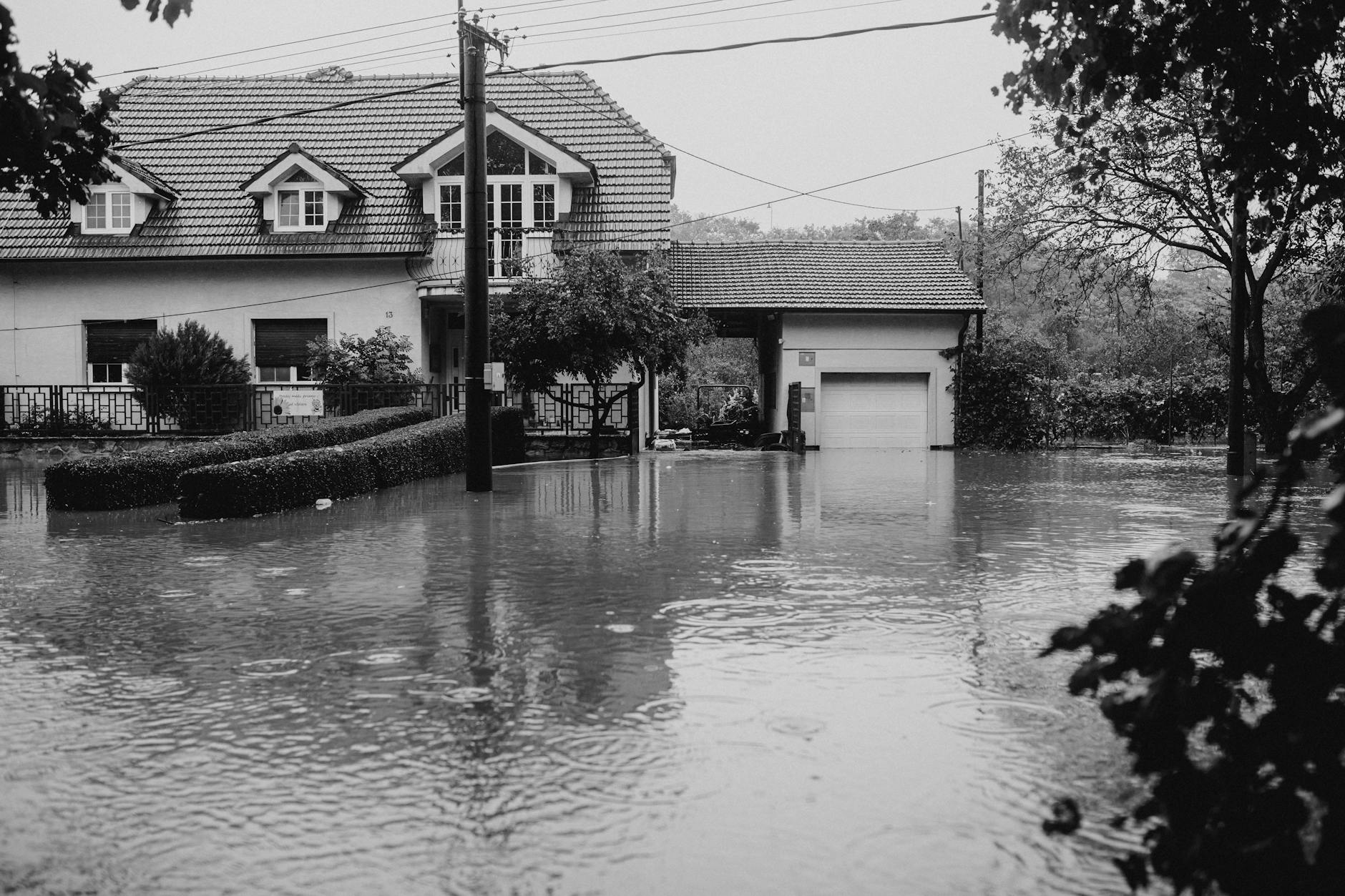
Un Ser Humano
Encuentra la carta en el buzón, entre un volante del supermercado y una oferta de tarjeta de crédito.
Es de su aseguradora. No es una factura — usted sabe cómo se sienten las facturas. Esta es más gruesa. Una página de lenguaje corporativo que le toma tres lecturas entender. Su póliza de propietario no será renovada. Efectiva sesenta días a partir de la fecha impresa en la parte superior. Gracias por ser un cliente valioso.
Ha vivido en esta casa durante nueve años. Pintó la cocina usted mismo, dos veces — una del color equivocado, una del correcto. Los niños aprendieron a andar en bicicleta en la entrada. La hipoteca está al día. El jardín está cuidado. Hizo todo de la manera en que le dijeron que lo hiciera.
Llama a su agente. Ella es amable, y está cansada. Dice que ha hecho cuarenta de estas llamadas este mes. Le da una lista de otras aseguradoras. Llama a cuatro. Dos ya no operan en su código postal. Una le cotiza el triple de lo que pagaba. La cuarta no devuelve la llamada.
Su vecino recibió la misma carta. También la familia al final del cul-de-sac. Nadie lo comenta en la reunión del vecindario. Se siente como algo que no se debe decir en voz alta — que la casa por la que trabajó toda su vida podría ser lo que lo quiebre.
La casa no ha cambiado. La calle no ha cambiado. Pero algo debajo de todo eso se ha desplazado, y usted lo siente de la misma manera que siente la presión del tiempo antes de una tormenta.
Lectura Estructural
La carta no fue aleatoria. Fue aritmética.
State Farm canceló aproximadamente 72,000 pólizas de propietarios en California en 2024 — incluyendo cerca de 1,600 en zonas de incendio designadas. Allstate abandonó áreas de alto riesgo. Siete de las doce aseguradoras más grandes de California pausaron o restringieron nuevas pólizas en 2023.[1] No fue la decisión de una sola empresa. Fue una industria llegando a la misma conclusión al mismo tiempo.
El análisis de Julia Cartwright para Daily Economy del AIER describe la dinámica del mercado sin rodeos: las aseguradoras no están eligiendo abandonar mercados rentables. Están abandonando mercados donde la regulación hace imposible la rentabilidad dado el panorama de riesgo actual.[2] La estructura de incentivos está produciendo exactamente el resultado que nadie quería. Eso no es ironía. Eso es sistemas.
A medida que los proveedores privados se retiran, el Plan FAIR de California — el asegurador de último recurso — ha visto un aumento en las pólizas. El Plan FAIR nunca fue diseñado para cargar este volumen. Ofrece cobertura limitada a mayor costo. Es un cortafuegos al que se le pide que se convierta en cimiento.[3]
Esto no es una historia de California. Florida y Louisiana están más avanzadas en la misma curva. Los costos de seguro para propietarios están aumentando a doble dígito anualmente en cada estado propenso a desastres. El mecanismo es idéntico — el riesgo climático supera lo que los reguladores permiten cobrar a las aseguradoras, por lo que las aseguradoras se van.
Confirmación del Patrón
El informe de la OCDE de marzo de 2026 sobre protección financiera contra riesgos catastróficos confirma que esto no es una anomalía regional. Es un patrón global.[4] Las pérdidas aseguradas relacionadas con el clima han superado los $100 mil millones a nivel mundial por cuarto año consecutivo. Las arquitecturas financieras diseñadas para distribuir y absorber el riesgo catastrófico están alcanzando sus límites.
La versión estadounidense de esta historia tiene una crueldad específica. El sueño siempre fue “tener una casa.” La letra pequeña que nadie leyó decía “y asegurarla.” La propiedad fue el mecanismo de construcción de riqueza para la clase media — no a través del ingreso, sino del patrimonio. Cuando el seguro se vuelve inaccesible, el mecanismo del patrimonio no se desacelera. Se invierte.[5]
Los valores de las propiedades en áreas donde la cobertura se está contrayendo ya están cediendo. No desplomándose — cediendo. El tipo de declive que no genera titulares pero aparece en las tasaciones, en los rechazos de refinanciamiento, en los precios de venta que permanecen más tiempo y se venden más barato. Las comunidades no se disuelven de la noche a la mañana. Se adelgazan. Las familias jóvenes dejan de mudarse. El mantenimiento cede. La base fiscal se estrecha. Los servicios se contraen.
La industria de seguros no está creando este problema. Lo está midiendo — y luego declinando absorberlo. La pregunta que permanece es estructural: si el seguro privado no puede tasar el riesgo, y los respaldos públicos no pueden cargar el volumen, ¿quién asume la pérdida? La respuesta, por ahora, es el propietario. De pie en la cocina que pintó dos veces, sosteniendo una carta que le agradece por ser valioso.