The Signal
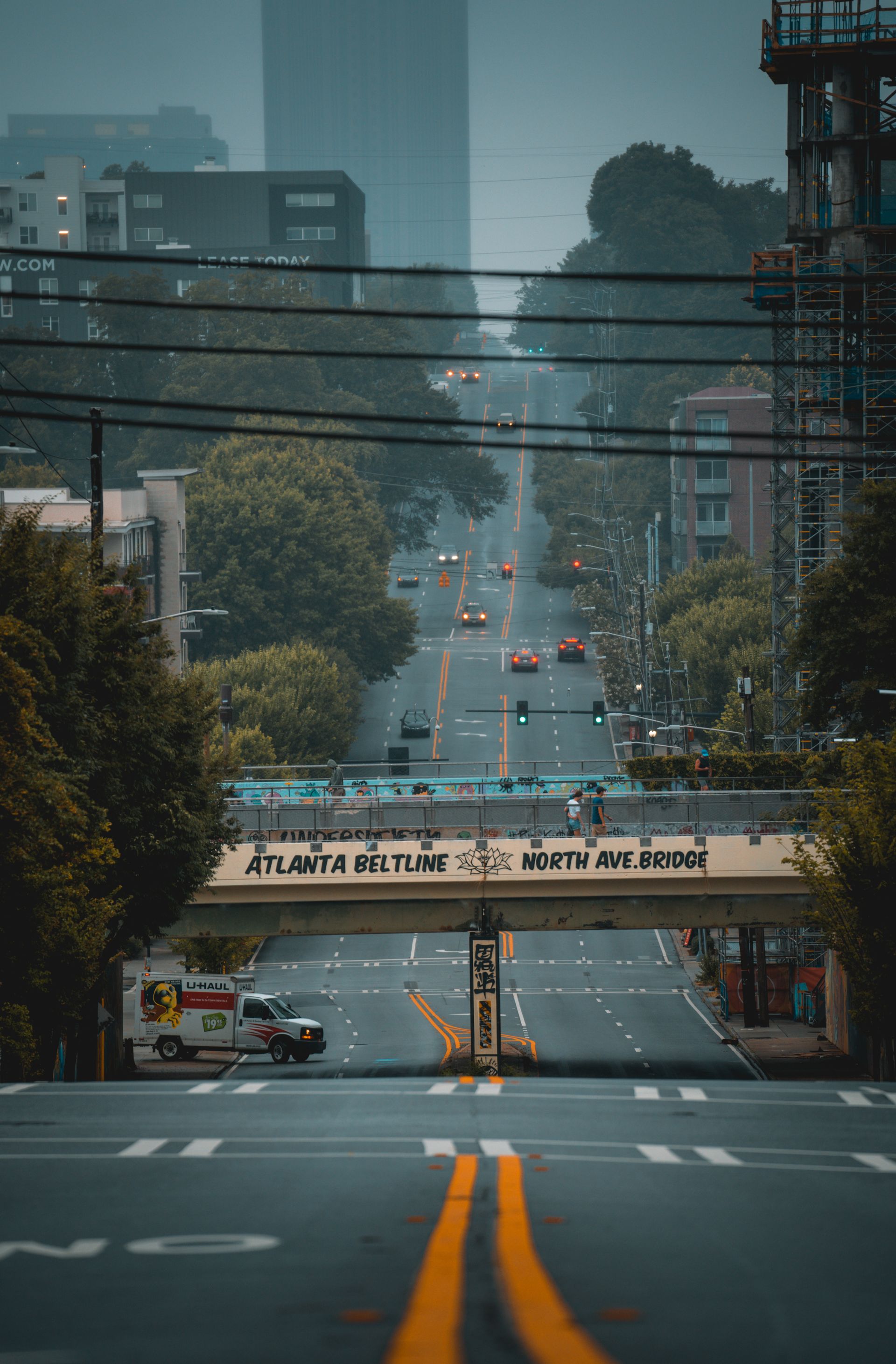
On April 26, a video went viral showing a white man screaming racial slurs at a Black man on the Atlanta BeltLine in Old Fourth Ward — the neighborhood where Martin Luther King Jr. was born. The confrontation lasted over a minute. Bystanders recorded. The man who was targeted stood still. The clip accumulated millions of views within 48 hours.
Old Fourth Ward was a predominantly Black neighborhood for most of the twentieth century. It was also the neighborhood that produced some of the most significant figures of the civil rights movement. Today its median household income has climbed from approximately $30,000 in 2000 to over $220,000 in 2020, according to Census tract data compiled by Emory University economists. The racial composition has inverted. The video is not an isolated incident of bigotry. It is a territorial assertion — the behavior of someone who understands, at some level, that the space now belongs to his income bracket.
The Reading
The BeltLine was supposed to be the counter-narrative. When the 22-mile loop of repurposed rail corridor was proposed in Ryan Gravel's 2005 master's thesis, it carried an explicit equity promise: 5,600 units of affordable housing along the trail, funded in part by the tax-increment financing district the project would generate. Two decades in, the fraction delivered is a fraction. Land values along the BeltLine corridor have increased by 50% to 200% depending on the segment, and the affordable housing trust fund has been chronically underfunded relative to the displacement it was designed to prevent.
This is the pattern scholars call "green gentrification" — the mechanism by which public investment in parks, trails, and green infrastructure raises adjacent property values, displacing the lower-income residents who were promised the improvement. New York's High Line is the canonical example: a $250 million public park that produced $5 billion in adjacent real estate development and turned West Chelsea from an industrial district into one of the most expensive neighborhoods in the Western Hemisphere. Chicago's 606 Trail repeated it on the northwest side, where median home prices within a half-mile doubled between 2013 and 2019 according to the National Community Reinvestment Coalition. Medellin's Via Verde corridors — green infrastructure projects along the Medellin River — have triggered displacement in formerly informal settlements in the Moravia and Aranjuez comunas. The mechanism is identical across continents: make the place beautiful, make the place expensive, replace the people.
The BeltLine video is not a housing story. But the slur happened on a trail that exists because of a promise that was made to people who can no longer afford to live beside it. The violence is not just in the language. It is in the address.
CORE Connection
Green infrastructure projects that displace their intended beneficiaries are not planning failures — they are planning outcomes that were tolerated because the beneficiaries lacked the political power to enforce the original promise. The signal connects to every city investing in linear parks and trail networks: the amenity is also the mechanism of removal.