The Signal
On April 12, thousands marched through the streets of Fujisawa, a coastal city of 440,000 south of Tokyo, to oppose the construction of a mosque near Samukawa Shrine — a Shinto site that has stood since approximately 460 AD. The protest was not small. It was organized, permitted, and populated by residents who framed their opposition not in the language of hate but of heritage: the shrine's spiritual landscape, the neighborhood's character, the disruption of something ancient by something foreign.
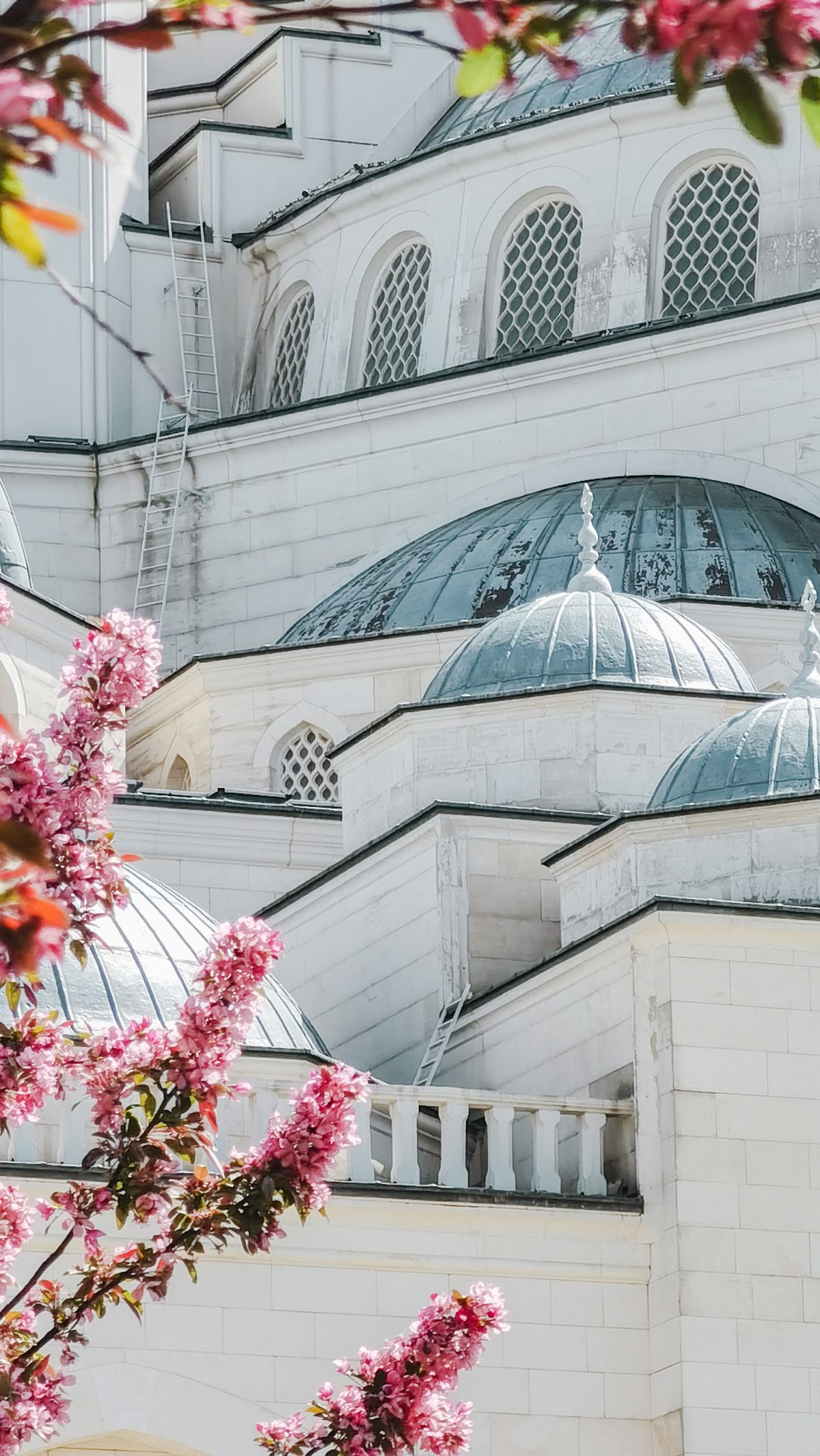
Japan's Muslim population has grown from roughly 110,000 in 2010 to an estimated 420,000 in 2024, a nearly fourfold increase driven by labor migration from Indonesia, Bangladesh, Pakistan, and Malaysia — the workforce that fills the gaps a shrinking, aging Japanese population cannot. Mosques have multiplied from approximately 50 to over 160 in the same period, most of them small prayer rooms in converted apartments and commercial spaces. The Fujisawa project is different: it is a purpose-built mosque, visible, permanent, architecturally assertive. It is, in other words, the first one that cannot be ignored.
The Reading
Japan has managed its demographic crisis through a selective immigration policy that admits workers while maintaining the cultural premise of homogeneity. The premise works as long as the workers remain invisible — living in company housing, praying in rented rooms, occupying the economy without occupying the landscape. A mosque near a 1,500-year-old shrine breaks that contract. It announces permanent presence in a society that has offered only temporary tolerance.
The Fujisawa march echoes patterns Europe knows well — the Swiss minaret ban of 2009, the French veil laws, the German "Leitkultur" debates — but arrives in a society with almost no institutional experience managing religious pluralism. Japan has no equivalent of Europe's decades-long, often catastrophic integration infrastructure. It has no guest worker legacy, no colonial immigration history, no multicultural policy framework to succeed or fail. It is encountering the question Europe answered badly, and it is encountering it with none of Europe's rehearsal time. The question is not whether Japan will accept mosques. It is whether a society built on the assumption of cultural uniformity can absorb demographic change without converting every new building into a referendum on belonging.
CORE Connection
The Fujisawa protest is a signal about the collision between demographic necessity and cultural identity. Japan needs the workers who pray in those mosques. It does not yet know how to want them. Every country that has faced this tension has resolved it poorly — through exclusion, through forced assimilation, or through a paralysis that satisfies no one. Japan's answer will be its own, but the question is universal: what happens when the people a society imports to survive begin to look like they intend to stay?
- The Logical Indian — https://thelogicalindian.com — Fujisawa mosque protest coverage, April 12 march details, Samukawa Shrine proximity - Prameya News — https://www.prameyanews.com — Muslim population growth statistics in Japan, mosque count data 2010-2024